La Pralinerie Brémond Fils, a praline-making workshop that delights the senses.
LA CARAMELERIE DE MANE
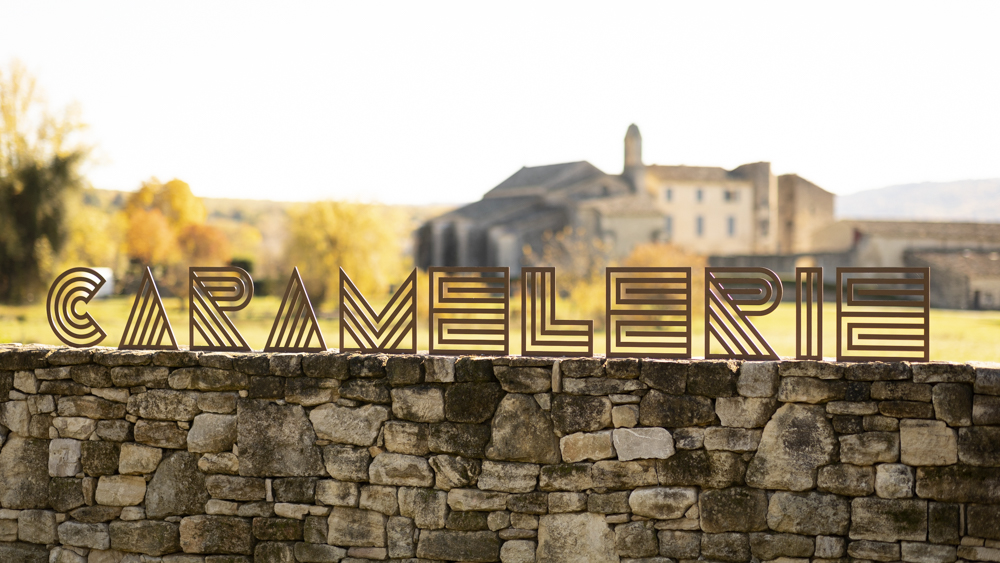
Located in the village of Mane in Provence, La Caramelerie is an artisanal confectionery workshop housed in an 18th-century Provençal bastide that once served as a “magnanerie” (from the Occitan magnan, meaning the silkworm of the mulberry bombyx)—a site for traditional sericulture, i.e., silkworm farming.
Located on Rue d’Italie in Aix-en-Provence, next to the Granet Museum and the cultural venue at Hôtel de Caumont, Confiserie Brémond Fils offers visitors a large display window with a direct view into a praline production workshop whose history dates back to 1830.
An artisanal praline-making workshop
Our pralines, made with Provence almonds and French sugar, are handcrafted in Provence. The almonds are first slowly roasted in the oven. Gently poured into the copper praline pan, they are coated in a sugar syrup and rotated slowly for a few minutes. The artisan then stops the heating so the caramelisation process can begin, giving the almonds a beautiful brown colour. Next comes the hand-polishing stage, done while hot. Finally, the pralines go back into the oven one last time before being packed under a protective atmosphere and placed in their metal tin.
A RANGE
OF SWEET TREATS
Established in 1830, first on the iconic Cours Mirabeau, this historic House—undoubtedly the oldest maker of Calissons d’Aix and pralines—has become a must-visit for its confectionery selection: nougats, fruit jellies, chocolates, spreads, almond biscuits and other Provençal specialities line its shelves.
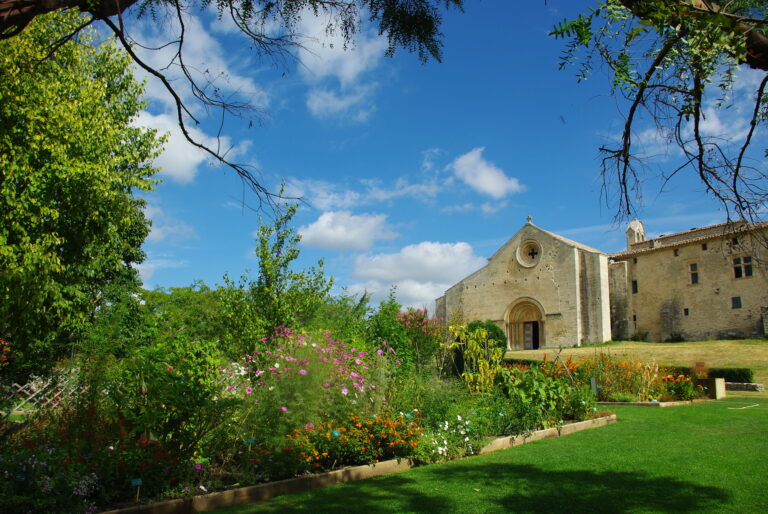
Located in Mane, in the Alpes-de-Haute-Provence, Salagon is a departmental museum. It is housed in a listed historic monument made up of ancient remains, a Romanesque church, and a Renaissance priory. The ethnology museum showcases Haute-Provence in all its historical and contemporary diversity. The 12th-century Romanesque church, adorned with Aurélie Nemours’ red stained-glass windows, hosts art exhibitions. Around the museum, five themed gardens explore the relationship between human societies and plants through history and civilizations: the medieval garden, the scent garden, the noria garden, the physic garden, and the early modern garden. A cultural program brings the site to life throughout the year.
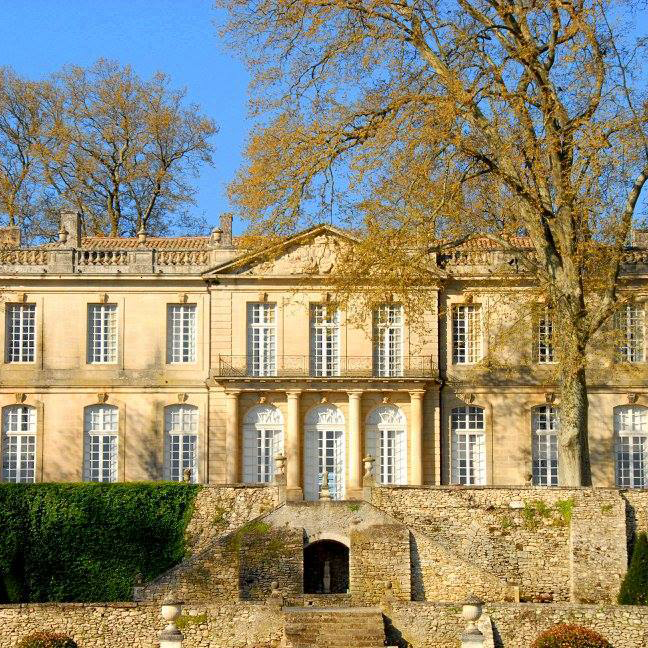
Built in the 18th century near the charming village of Mane in the Alpes-de-Haute-Provence, at the gateway to the Luberon between Manosque and Forcalquier. Taken over in 1981 and refurnished over the years, this château is now a museum, bearing witness to the 18th-century art of living. A timeless stroll and a surprising story—from the splendor of the Forbin family, through its twists and turns, to the rebirth of this major and atypical architectural landmark in Provence.
This young distillery is based in Mane, in the Luberon Regional Natural Park. It works only with plants and fruits harvested exclusively in Provence. Equipped with three copper stills, this artisanal distillery produces exceptional gins, liqueurs, and spirits with original recipes.
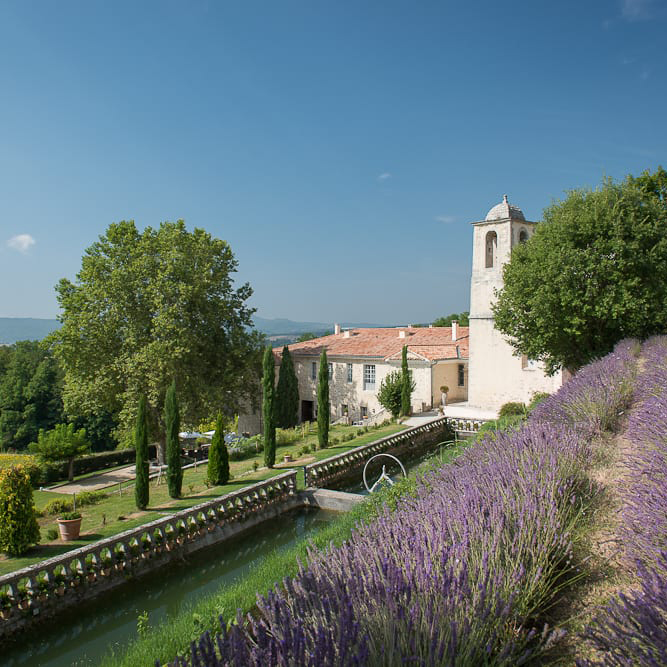
Nestled on a hillside, backed by the picturesque village of Mane and bathed in Provençal sunshine, Le Couvent des Minimes first welcomed nuns before becoming a high-quality hotel. Sheltered from the Mistral by the sculptural Volx rock, this building, dating from 1613, is a skilful blend of medieval architecture and contemporary design. You’ll be charmed by the period façades, the century-old terraced gardens, and the Way of the Cross overlooking the surrounding area.